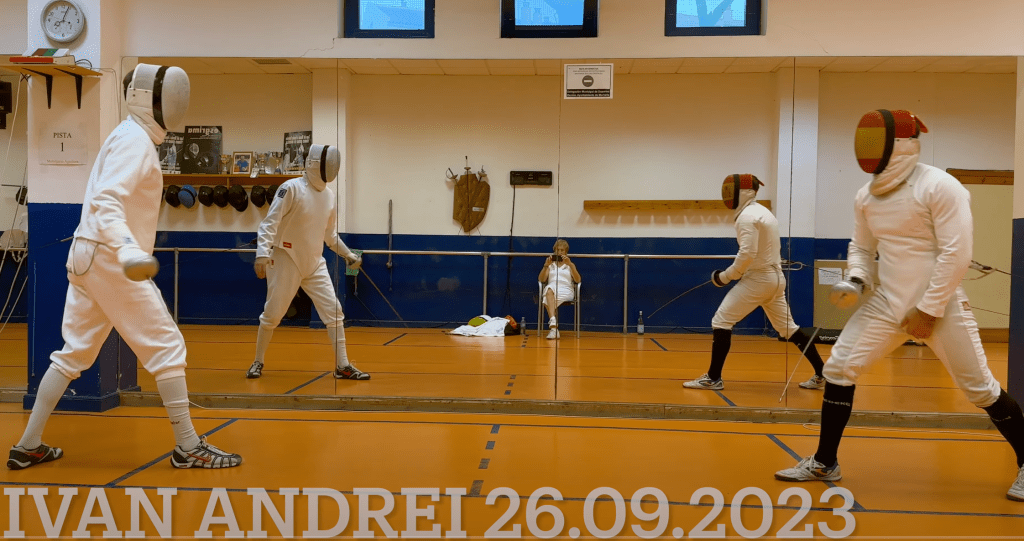
In the world of fencing, sparring serves as a crucial training tool for both beginners and advanced athletes alike. While traditional drills and lessons are invaluable, there’s something uniquely beneficial about engaging in one-on-one bouts that mimic real competition. Here’s why sparring is an essential part of your fencing development.
Real-Time Feedback
Unlike drills, where you may be focused on mastering a single move or strategy, sparring provides a multi-dimensional experience that demands quick thinking and adaptation. You get immediate feedback on your tactics, technique, and timing, enabling you to make quick corrections. This level of real-time assessment is irreplaceable for improving your fencing skills.
Psychological Preparation
The sport of fencing is as much a mental game as it is a physical one. Sparring helps prepare you psychologically for competition by simulating the tension and unpredictability you’ll face in an actual match. This experience not only improves your focus but also helps alleviate nerves, making you more comfortable when you step onto the piste for real competition.
Endurance and Stamina
Though traditional drills often focus on short, high-intensity actions, sparring allows you to practice maintaining your energy and focus over a more extended period. This enhances your endurance and stamina, key attributes you’ll need in competitions that often last for several minutes at a time, with little time for rest in between touches.
Experimentation and Creativity
Sparring is your playground for testing new moves, combinations, and strategies. With a live opponent, you can experiment in ways you simply can’t when practicing alone or in a more controlled environment. It’s the perfect time to figure out what works and what doesn’t, giving you the chance to refine your technique and add new tools to your fencing arsenal.
Improved Sense of Distance and Timing
Understanding distance and timing is crucial in fencing. Sparring helps refine these skills by forcing you to adapt to an opponent who is also trying to score. This interactive dynamic makes you more adept at judging distance and choosing the perfect moment to attack, defend, or make a tactical retreat.
Community and Teamwork
Last but not least, sparring helps build a sense of community and teamwork. Engaging in friendly bouts with fellow fencers fosters a supportive environment where everyone learns, grows, and enjoys the sport together.
In conclusion, sparring is an irreplaceable component of your fencing training regimen. It not only sharpens your skills and psychological preparedness but also fosters creativity, endurance, and a sense of community. As you prepare for competitions or aim to improve your technique, never underestimate the power of a good spar.
Happy fencing!
 Esgrima Club San Pedro Alcántara